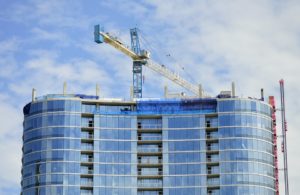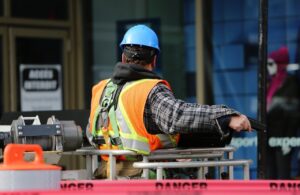
Roads and buildings are the backbone of modern infrastructure. Without consistent upkeep, even the most well-constructed structures will deteriorate — costing governments, businesses, and communities far more in the long run. Regular maintenance is not a luxury; it is a necessity that keeps people safe and economies functioning.
The true cost of neglect
When maintenance is deferred, small issues quickly become expensive problems. A minor crack in a road surface, left untreated, can expand into a pothole that damages vehicles and endangers cyclists. Similarly, a building with an unaddressed water leak may eventually face structural damage that requires extensive — and costly — repair work. Preventative maintenance consistently proves to be more economical than reactive repairs.
Roads: keeping traffic moving safely
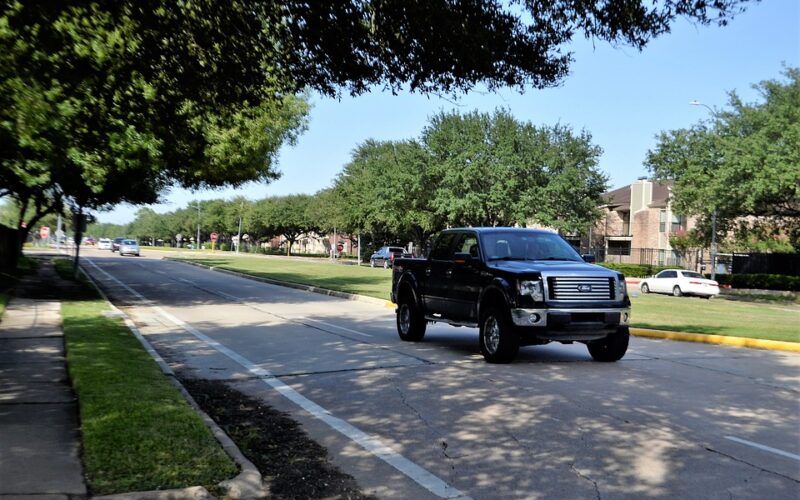
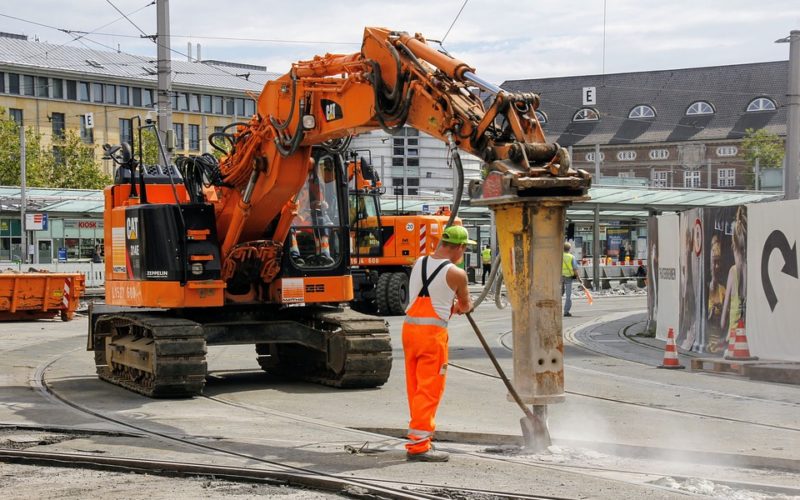
Road maintenance encompasses a wide range of activities, from resurfacing and pothole repairs to the upkeep of road markings, drainage systems, and signage. Local authorities and highway agencies must conduct regular inspections to identify deterioration early. Seasonal changes, heavy traffic, and adverse weather all accelerate wear, making routine assessment essential. Well-maintained roads reduce accident rates, lower vehicle operating costs, and support economic productivity.
Buildings: protecting long-term value
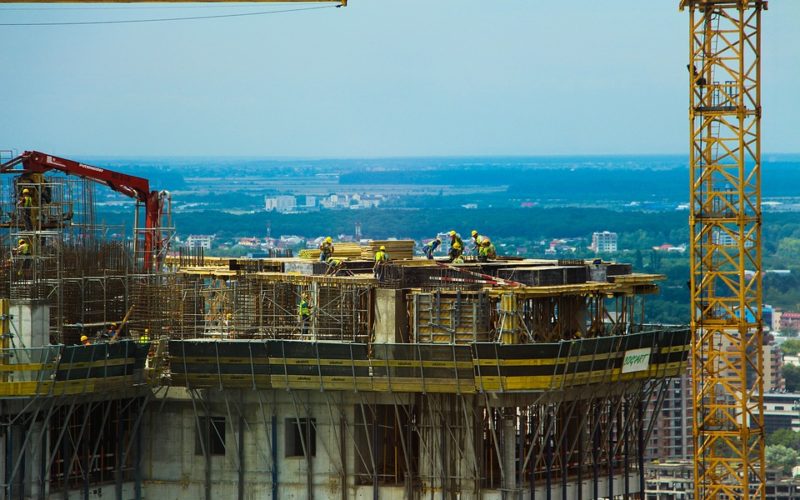
Structural maintenance for buildings involves inspecting foundations, roofing, façades, and mechanical systems. Commercial and public buildings, in particular, are subject to regulations that require ongoing compliance checks. Routine servicing of HVAC systems, electrical installations, and plumbing not only extends the life of a building but also ensures the safety and comfort of its occupants. Neglecting these responsibilities can lead to legal liability and significant financial penalties.
Sustainability and maintenance
Maintenance also plays a growing role in sustainability efforts. Repairing and preserving existing infrastructure consumes far fewer resources than full reconstruction. By extending the lifespan of roads and buildings through careful upkeep, organisations can reduce their carbon footprint and minimise construction waste — a meaningful contribution to broader environmental goals.
Planning for the future
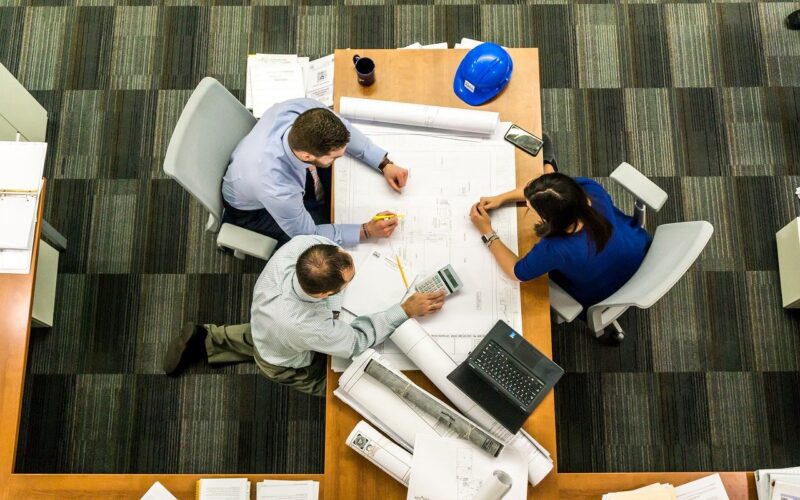
Effective maintenance requires forward planning. Asset management systems help organisations track the condition of infrastructure, prioritise spending, and schedule interventions at the most cost-effective time. Digital tools, including sensors and inspection software, are increasingly used to monitor structural health in real time, allowing maintenance teams to respond swiftly before conditions worsen.
A shared responsibility
Ultimately, the continued maintenance of constructions and roads is a shared responsibility between public bodies, private owners, and contractors. Consistent investment in upkeep protects public safety, preserves asset value, and supports communities for generations to come. The case for prioritising maintenance has never been stronger.